For engaged couples juggling work, family opinions, and a fast-moving checklist, wedding planning for couples can start to feel like choosing from pre-set packages instead of celebrating a real relationship. The biggest wedding preparation challenges usually show up when personalized wedding ideas clash with budgets, timelines, and “that’s how it’s done” expectations. Bridal style expression can also get blurry once too many opinions and options pile up, making it hard to name what actually fits. With a clearer handle on individual wedding aesthetics, decisions get lighter and the celebration starts to feel like it belongs to the couple.
Build a Visual Mood Board to Lock In Your Look
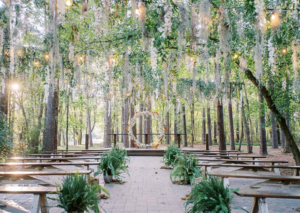
Once you’ve decided your wedding shouldn’t feel like a template, it helps to see what “you” looks like on the page before you commit. Pull together visual inspiration that speaks to you, floral arrangements you’d actually carry, tablescape photos that match your vibe, color palettes that feel right, and décor details you keep saving for a reason, and collect them into a mood board you can share. If you’re torn between a few directions, experimenting can be faster than debating: try using a free image to image tool to explore wedding style ideas by uploading a reference photo and transforming it into new variations.
Seeing the same bouquet or table setting reimagined across different aesthetics can spark options you hadn’t considered, and help you customize what you like so it reflects your preferences instead of someone else’s trend. As you play with these visuals, patterns usually emerge (the colors you consistently gravitate toward, the level of lushness in florals, the kind of styling that feels “too much” or “not enough”), which makes it easier to clarify your vision before you make final design decisions.
Turn Your Vision Into Decisions (Without Overspending)
This planning path helps you translate your mood board into real bookings and purchases in an order that protects your priorities. For most couples, it keeps decision-making simple because each choice sets clear limits for the next.
- Step 1: Set your budget and top priorities
Start by deciding what you can comfortably spend, then pick your “must-haves” (for example: great food, a small guest list, or an epic dance floor). A practical starting point is to set your wedding budget before you fall in love with options that are hard to scale back. - Step 2: Choose your guest count range and venue criteria
Draft a guest list in tiers (A list, B list, and “if we have room”) so you can adjust without stress. Then define your venue selection criteria based on that headcount and your priorities: capacity, accessibility, indoor or outdoor, noise rules, and what is included. - Step 3: Lock in the date and time that fit your budget
Pick a few date windows, then compare pricing and availability across venues you would actually book. Since 73% of all weddings fall between May and October, considering an off-peak month or a weekday can open up more options and sometimes better rates. - Step 4: Confirm your theme, menu, and entertainment together
Use your budget and venue vibe to tighten your theme into a few clear style choices like color, lighting, and overall formality. Then align food and music with the experience you want guests to have: seated dinner versus stations, quiet conversation versus high-energy dancing, and what you need for ceremony sound. - Step 5: Choose attire that matches the plan, not just the photos
Shop with your venue, season, and timeline in mind so your outfit feels good for hours, not minutes. Bring your key details (colors, dress code, and comfort needs) so tailoring and accessories support your priorities instead of becoming a budget surprise.
Choose Your Reception Music: Band or DJ?
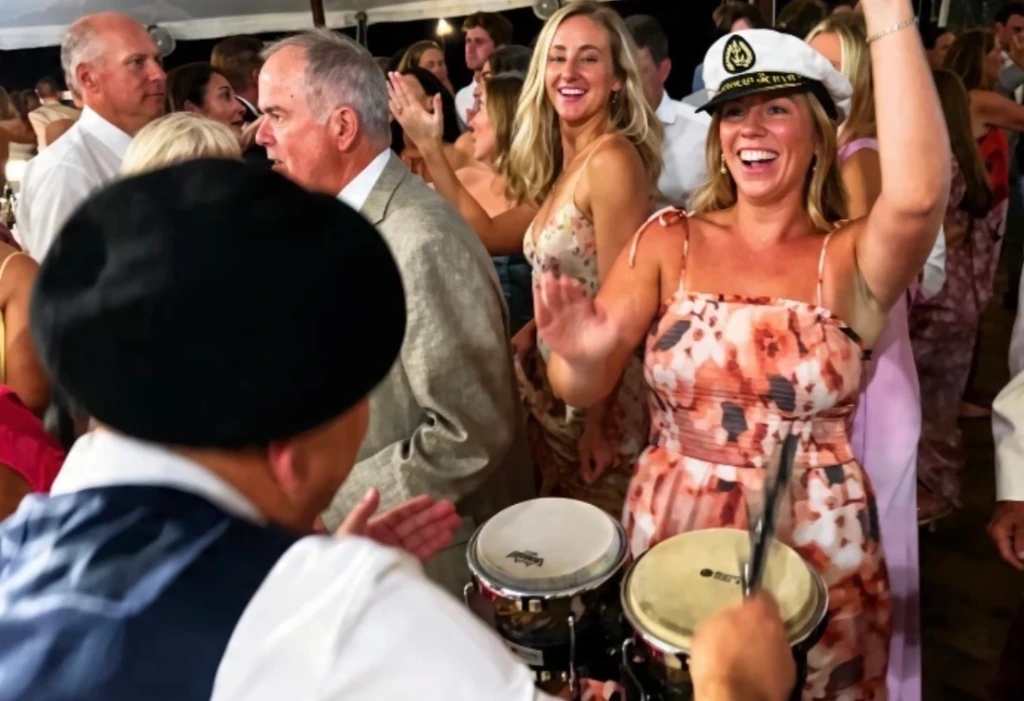
Once your budget and vibe are set, lock in the sound that will carry the night. Compare a band’s live energy with a DJ’s flexibility, then shortlist based on your must-have genres and crowd. Ask for recent live clips or a full set sample, confirm what’s included (MC, lighting, breaks, backup gear), and get everything in writing. Share your timeline, key moments, and do-not-play list early so they can pace the room. Next up: quick fixes for common planning snags.
Wedding Planning Questions, Answered
Q: How do I adjust the day-of timing if things run late?
A: Build in two “cushion” blocks of 10 to 15 minutes and decide what can shorten first, like extra photos or extended cocktail hour. A wedding timeline keeps small delays from turning into a domino effect. Tell vendors your top two non-negotiable moments so they can protect them.
Q: What should I do if the guest list is causing stress or guilt?
A: Write down your priorities first, then set clear categories like must-invite, would-love, and nice-to-have. If you need to trim, reduce plus-ones, limit kids, or choose a smaller extended-family cut rather than random friends. Remind yourself that a smaller room often feels more personal and true to you.
Q: How can I stop a budget from creeping higher every week?
A: Add a simple “pause rule” for upgrades: wait 48 hours, then choose only what supports your vibe or guest comfort. Seeing the average wedding cost can help you reset expectations without shame. If you are over, cut one big line item or switch to a tiered package.
Q: Can I coordinate vendors without feeling like a full-time project manager?
A: Yes, use one shared document with contacts, arrival times, and responsibilities, and send it in one weekly update. A wedding coordinator can take over vendor communication and handle the unexpected, even if you hire them for day-of support only.
Q: When should I lock in a weather backup plan, especially for outdoor ceremonies?
A: Decide your Plan B when you book the venue, not the week before, and confirm costs for tents, heaters, or indoor flips. Pick a clear “call time” for the final weather decision and tell guests what to bring in advance. A solid backup lets you stay present, no matter the forecast.
Turn Your Style Priorities Into Final Wedding Preparations
When decisions stack up, it’s easy for a wedding to drift into what’s expected instead of what fits. The steadier path is the mindset behind this wedding planning summary: lead with priorities, let custom wedding inspiration serve your real life, and treat every choice as a reflection of your values. That approach builds bridal style confidence and makes trade-offs feel clear instead of stressful. Plan the wedding you mean, not the one that happens by default. Choose your next three tasks: do a quick budget check, send vendor outreach messages, and finish a planning checklist review. Those small moves protect connection and calm as the big day gets closer.
DRS Music is dedicated to making your wedding authentically yours with free song requests and access to a full time arranger. Choose the most professional, organized wedding band who will give you a wedding built around YOU.